Home / Articles
The Complete Guide to Upper Blepharoplasty Recovery
Home / Articles
The Complete Guide to Upper Blepharoplasty Recovery
Undergoing upper blepharoplasty, also known as eyelid surgery, is a significant step for those seeking a refreshed, youthful look. It can address issues like drooping eyelids, excess skin, or puffy eyes that make you look tired or older than you feel. If you’ve decided to undergo this procedure, you're likely curious about what to expect during your recovery period. Understanding the recovery process is key to ensuring a smooth healing experience and the best possible outcome.
In this comprehensive guide, we’ll walk you through the entire recovery process for upper blepharoplasty, from the immediate post-surgery period to long-term care, so you can feel confident in your decision and prepared for what lies ahead.
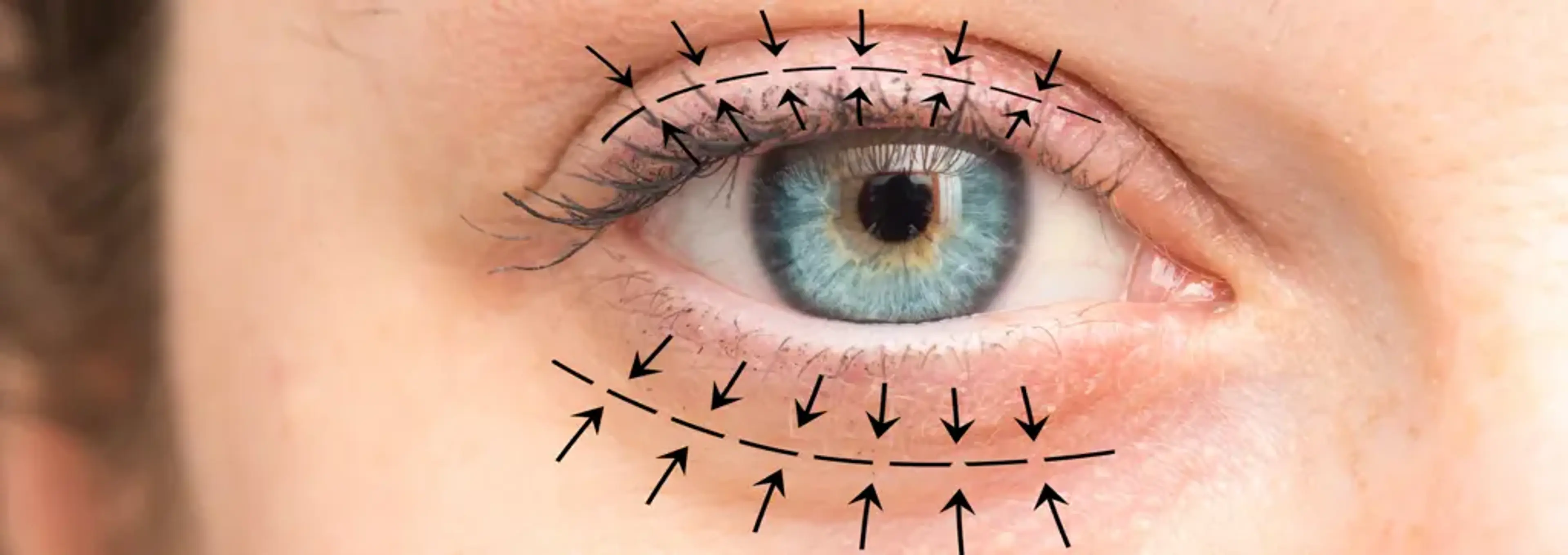
Before we dive into the recovery process, let’s briefly discuss what upper blepharoplasty is. This procedure involves the removal of excess skin, fat, and sometimes muscle from the upper eyelids. It helps to improve the appearance of the eyes by creating a more youthful, alert look. In some cases, it can also improve vision by lifting heavy, drooping eyelids that obstruct peripheral vision.
The surgery itself typically takes about one to two hours and is performed under local anesthesia with sedation. Patients can return home the same day after the procedure, making it a relatively straightforward option for those seeking facial rejuvenation.
The first 24 hours after your upper blepharoplasty are crucial for ensuring a smooth recovery process. Immediately after surgery, you’ll notice some swelling, bruising, and discomfort, which are all normal parts of the healing process. Here’s what you should expect during this initial recovery phase:
Swelling and bruising around the eyes are common and can last anywhere from 7 to 14 days. The extent of these effects varies depending on the individual, but applying cold compresses (as recommended by Dr. Park) during the first few hours can help minimize swelling and discomfort.
You may feel some tightness or mild pain around the eyes during the first 24 hours. Dr. Park and his team will prescribe pain relievers to help you manage any discomfort. It's important to follow all post-operative instructions carefully to ensure proper healing.
Resting with your head elevated is crucial in the first 24 hours. This helps reduce swelling and encourages blood circulation. Avoid any strenuous activity, as this can exacerbate swelling and prolong recovery.
It’s important to keep your eyes clean and follow the eye care instructions provided by your surgeon. You may be given lubricating eye drops to prevent dryness and irritation during the healing process.
In the first week, you’ll continue to experience swelling and bruising, but these should start to gradually subside. Most patients will have their stitches removed around the 5th to 7th day. Here's a closer look at what happens during this phase:
Dr. Park will remove the sutures after about one week. This is a quick and relatively painless process. The incisions will still be a bit visible, but they should be well on their way to healing.
Regular follow-up appointments will be scheduled to monitor your progress and address any concerns. Dr. Park will assess the healing process and ensure that there are no signs of infection or complications.
During the first week, bruising and swelling will peak but will start to fade by the end of this period. Cold compresses, gentle massage (if recommended by your surgeon), and prescribed ointments can help speed up this process.
Avoid heavy exercise or any activity that causes excessive sweating, as this can aggravate the swelling and risk complications. It’s best to take it easy and allow your body time to heal.
After the first week, most of the significant swelling and bruising should have diminished, but there will still be some minor residual swelling for a few more weeks. Here's what you can expect:
While the swelling will have significantly reduced, it’s normal for minor swelling to persist for up to 4 weeks. It’s important to continue following Dr. Park’s guidelines to keep this under control, including limiting salt intake and staying hydrated.
The incisions will start to fade during this period. The scar may initially appear red or pink, but this will gradually lighten over time. Avoid direct sun exposure on your incisions, as UV rays can darken scars.
At this stage, you may feel ready to return to work and resume your regular activities. However, avoid strenuous physical activities or anything that could cause irritation to your eyes, like intense wind or dust. You may also want to avoid wearing makeup around your eyes until cleared by Dr. Park.
Upper blepharoplasty recovery takes time, and while you'll begin to feel like yourself again after 2 to 4 weeks, the full healing process may take several months. Here’s what to keep in mind for long-term recovery:
The final results of your surgery will become more apparent in about 3 to 6 months. By this time, the scars should have fully healed and faded, and your eyelids will look more refreshed and youthful.
Even though upper blepharoplasty scars are typically discreet, there are some steps you can take to further minimize their appearance. Dr. Park may recommend using silicone-based scar gels or massaging the area to help the healing process. Avoid sun exposure on the incisions, as this can make the scars more noticeable.
In the months following your surgery, it's essential to maintain a healthy lifestyle, including a balanced diet, regular sleep, and hydration. These factors can contribute to faster healing and long-term skin health.