Home / Articles
What’s Replacing Botox? The Rise of Peptide-Based Injectables
Home / Articles
What’s Replacing Botox? The Rise of Peptide-Based Injectables
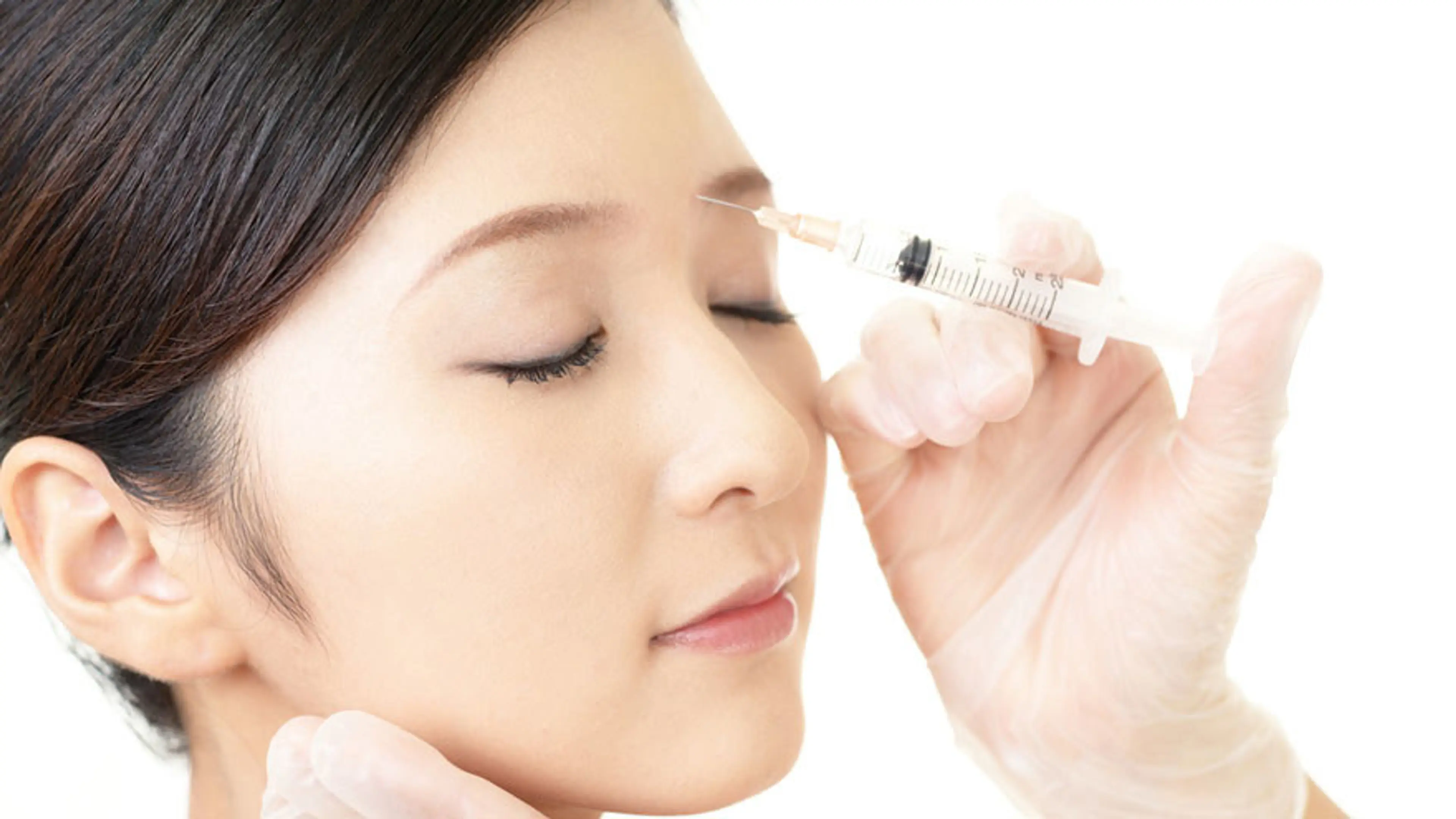
In recent years, peptide-based injectables have begun to emerge as innovative alternatives to traditional Botox for wrinkle reduction and skin rejuvenation. As a more targeted, non-invasive, and longer-lasting option, these peptide treatments are revolutionizing the cosmetic industry, offering patients a way to smooth wrinkles without the downsides associated with more invasive procedures. This shift toward peptide-based treatments marks a new chapter in the pursuit of youthful, glowing skin.
Peptides are short chains of amino acids, the building blocks of proteins. In the world of dermatology and cosmetic treatments, peptides have gained attention for their ability to mimic certain biological processes in the body. Specifically, peptides can act on the skin to promote collagen production, repair damage, and even relax facial muscles. Peptide-based injectables leverage these properties to temporarily reduce the activity of muscles responsible for wrinkles, much like traditional botulinum toxin (Botox) injections. The key difference is that peptides may offer different mechanisms of action and longer-lasting effects than their neurotoxic counterparts.
Peptide-based injectables work by disrupting the signaling process between nerve endings and muscles. When injected into targeted areas, peptides can prevent or reduce the release of neurotransmitters like acetylcholine, which are responsible for triggering muscle contraction. This results in muscle relaxation and the temporary smoothing of dynamic wrinkles that are often caused by repeated facial expressions such as frowning, squinting, or raising eyebrows. In some cases, peptides are combined with botulinum toxin to enhance the treatment’s overall effectiveness.
In addition to their ability to relax muscles, peptides can have other beneficial effects on the skin. They can stimulate collagen production, promote tissue repair, and improve skin hydration, all of which contribute to a more youthful and radiant appearance. While botulinum toxin has been a tried-and-true solution for wrinkle reduction, peptides offer a more sophisticated approach by focusing not only on muscle relaxation but also on skin rejuvenation.
While peptides are still relatively new to the injectable market, there are a few options that have already received approval from regulatory bodies, like the U.S. Food and Drug Administration (FDA), and are proving to be effective alternatives to Botox. Let's explore some of these peptide-based alternatives in more detail.
DAXXIFY, also known as daxibotulinumtoxinA-lanm, is a novel injectable neuromodulator that represents one of the most advanced peptide-based alternatives to Botox. DAXXIFY works by combining botulinum toxin with a proprietary peptide to enhance the stability and duration of the product. This peptide stabilizes the toxin, resulting in longer-lasting effects compared to traditional Botox.
One of the most appealing features of DAXXIFY is its ability to deliver results that last up to six to nine months, compared to the typical 3–4 months that Botox lasts. This extended duration makes DAXXIFY a more convenient and cost-effective option for individuals who wish to avoid frequent injections. Clinical studies have shown that DAXXIFY can provide smooth, wrinkle-free skin for a longer period, with minimal side effects such as bruising or swelling. DAXXIFY has gained significant attention for its ability to maintain its efficacy over time, making it a powerful option for patients seeking long-lasting, non-invasive results.
Moreover, DAXXIFY has demonstrated a high level of patient satisfaction. In clinical trials, a large percentage of participants reported that they experienced superior results in terms of duration and effectiveness compared to traditional botulinum toxin injections. As the first peptide-enhanced botulinum toxin product on the market, DAXXIFY could be a game-changer in the field of injectables.
While injectable peptides are a powerful tool for wrinkle reduction, not everyone is comfortable with injections. For individuals seeking a non-invasive solution, topical peptide treatments can offer anti-aging benefits without the need for needles. These products are available in a variety of skincare formulations such as creams, serums, and masks.
Let’s take a closer look at some popular topical peptides and their specific benefits for the skin:
Argireline is often referred to as “Botox in a bottle.” This peptide works by mimicking the action of botulinum toxin, relaxing facial muscles and reducing the appearance of fine lines and wrinkles. Argireline is primarily used for the forehead, crow's feet, and around the eyes. Studies have shown that daily use of products containing Argireline can significantly reduce wrinkle depth and improve skin elasticity over time.
While Argireline doesn’t provide the same immediate results as Botox, it offers a gradual and more subtle improvement, making it ideal for individuals with mild to moderate wrinkles. Since it doesn’t require an injection, Argireline is a non-invasive option that can be easily incorporated into a daily skincare routine.
SNAP-8 is a more stable and enhanced version of Argireline. It works in a similar way by inhibiting neurotransmitter release at the neuromuscular junction, leading to muscle relaxation and reduced wrinkle formation. Clinical studies suggest that SNAP-8 can significantly reduce the appearance of facial wrinkles, especially when used in combination with other anti-aging ingredients like peptides, antioxidants, and moisturizers.
Products containing SNAP-8 may help provide smoother, firmer skin with regular use. The peptide is suitable for people who want to reduce facial lines without resorting to injections or more invasive procedures. SNAP-8 is increasingly found in high-end anti-aging products, and its stability makes it a popular choice for formulating effective skincare treatments.
SYN-Ake is a synthetic peptide that mimics the effects of snake venom, specifically the peptide found in the venom of the Temple Viper. This venom works by inhibiting the contraction of facial muscles, leading to smoother, more relaxed skin. SYN-Ake is used to reduce the appearance of deep wrinkles and fine lines, especially in areas where muscle activity is prominent, like the forehead and around the eyes.
Although SYN-Ake doesn’t offer the instant results of Botox, it does provide a more gradual effect that improves with consistent use. SYN-Ake is often included in high-quality anti-aging creams, serums, and masks, and has gained popularity due to its ability to deliver smoother, more youthful skin without the need for injections.
Botox has been the gold standard for wrinkle reduction and muscle relaxation for nearly three decades. However, peptide-based alternatives are quickly gaining ground as a viable alternative to Botox, particularly for individuals seeking less invasive, more natural solutions. Let’s compare Botox and peptide-based injectables in terms of various factors:
Feature | Botox | Peptide-Based Alternatives |
|---|---|---|
Administration | Injectable | Topical (creams, serums) |
Duration of Effects | 3–6 months | Varies; longer with peptide options |
Onset Time | 3–7 days | Gradual (several weeks) |
Risk of Side Effects | Bruising, ptosis, asymmetry | Minimal; potential irritation |
Ideal Candidates | Deep, dynamic wrinkles | Mild to moderate wrinkles |
Cost | Higher per session | Lower; available OTC |
Peptide-based injectables and topical treatments offer numerous benefits over traditional Botox injections. These benefits make them especially appealing to patients looking for less invasive, longer-lasting, and safer alternatives:
Peptide-based injectables and topical treatments represent a promising new direction in the world of anti-aging skincare. While they may not fully replace Botox for every patient—particularly those with more pronounced wrinkles—they provide a safer, non-invasive, and effective solution for those seeking smoother, more youthful skin. As research continues and more products become available, peptide-based treatments could become a key player in the cosmetic industry, offering patients more personalized and natural-looking results.
Whether you're considering injections like DAXXIFY or incorporating topical peptides like Argireline into your skincare routine, these innovations in peptide technology are transforming the way we approach skincare and anti-aging treatments.