Home / Articles
When to Exercise After a Thread Lift: Complete Recovery Timeline
Home / Articles
When to Exercise After a Thread Lift: Complete Recovery Timeline
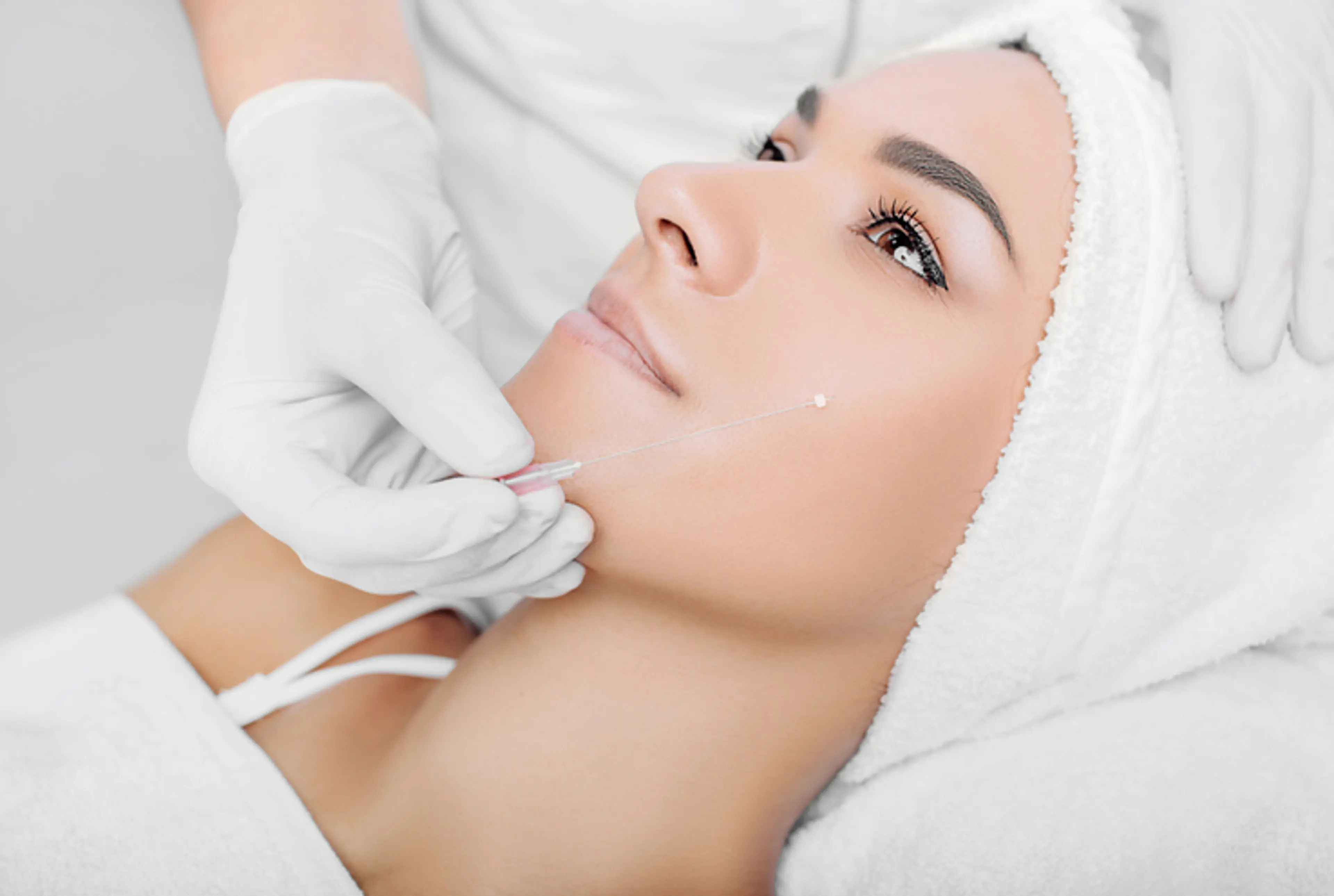
Thread lifting has emerged as a popular, non-invasive cosmetic procedure for individuals looking to enhance their facial contours without surgery. With its ability to subtly lift sagging skin and stimulate collagen production, thread lifts are particularly appealing to those with active lifestyles. However, a common concern that arises after the procedure is, “When can I safely return to exercise after a thread lift?”
While thread lifting offers a significantly shorter recovery time compared to traditional facelifts, returning to physical activity too soon can compromise results and heighten the risk of complications. In this article, we’ll break down the recovery process, explain how exercise can influence your healing, and offer guidance on when it’s safe to resume your regular workout routine.
Unlike traditional facelifts, thread lifts require no incisions, no long recovery periods, and minimal downtime. Typically completed within an hour, thread lifts offer instant results, with the full effects becoming more pronounced over the following months as collagen is produced. This procedure is particularly favored by individuals in their 30s to 50s who are seeking subtle enhancements without committing to invasive surgery. It is highly effective for lifting areas like the cheeks, jawline, neck, and brows.
For many, regular physical activity is integral to their lifestyle. But when it comes to thread lifting, the timing of your return to exercise is critical to ensuring your results are preserved. While exercise can generally support recovery by increasing blood circulation, engaging in intense physical activity too soon can disrupt the healing process, causing complications such as swelling, bruising, or even thread migration.
Thus, the question "How long should I wait before working out after a thread lift?" is more than just an inquiry—it is central to maintaining the effectiveness and longevity of the procedure. Allowing your body to heal properly before resuming physical activity ensures that the threads remain securely in place, and that your skin’s natural healing processes have had time to take hold.
While thread lift recovery is relatively quick, there are still key stages to follow for optimal results. Most patients can return to light daily activities within 24 to 48 hours, but it’s important to allow your face more time to heal fully. The timeline outlined below will help you understand what to expect during your recovery and guide you on when it’s safe to return to your fitness routine.
The first 72 hours are the most important for the initial healing of the threads. During this period, the threads are settling into place beneath your skin, and any vigorous movement could interfere with their positioning, leading to uneven results.
During this phase, all forms of exercise should be avoided. This includes cardio, resistance training, yoga, and even brisk walking. It's important to avoid bending forward, lifting heavy items, or any activity that raises your heart rate significantly. While light movement around your home is acceptable, be sure to keep the intensity low to prevent unnecessary strain on the treated areas.
At this stage, Face Plus Plastic Surgery recommends resting with your head elevated and using cold compresses to reduce swelling.
By day 4, most swelling and tenderness will have started to subside. This is when you can begin introducing light movement, such as slow walking, but avoid traditional exercise like jogging or strength training.
During this period, your body is still in the process of healing, so it's important to avoid any activity that could cause facial strain, heat exposure, or impact. If you experience tightness or discomfort, this is normal as the threads are anchoring to the underlying tissues. Hydration and a healthy diet are key to supporting your body’s healing process.
After about two weeks, if your recovery has progressed smoothly, you may begin resuming light to moderate physical activity. Brisk walking, elliptical training (without high resistance), and light cycling are all acceptable. However, activities that put pressure on your face—like bending over repeatedly or doing certain yoga poses—should still be avoided.
At this point, some mild swelling may still persist after exercise, but this should subside with time. Face Plus Plastic Surgery provides customized advice based on your unique recovery needs to ensure a safe return to fitness.
By weeks three to four, most patients are ready to return to their normal exercise routines. The threads will have securely embedded, and collagen production will be well underway. You can slowly reintroduce more intense cardiovascular activities, weight training, and group fitness classes, as long as you do so gradually.
However, be cautious with exercises that involve direct pressure on your face, such as cycling with chin straps, sparring sports, or swimming with tight goggles. Listen to your body and avoid any activity that causes discomfort or strain on the treated areas.
Certain exercises should be avoided for at least 4-6 weeks post-procedure to protect the threads and ensure proper healing. These include:
Face Plus Plastic Surgery tailors these recommendations based on individual treatment areas and patient health to ensure safe, optimal results.
Exercise can be beneficial once healing is complete, but too much activity too soon can disrupt the threads and delay collagen stimulation. Overexertion may lead to complications like thread migration, facial asymmetry, prolonged swelling, or reduced collagen production.
To preserve the results of your thread lift, it's essential to follow a carefully structured timeline for resuming exercise. Once your body has healed, moderate exercise can actually enhance your results by promoting lymphatic drainage, reducing puffiness, and improving skin elasticity.
If you resume physical activity too soon, watch for signs that your threads may have shifted or that healing is being strained. These include:
Persistent or increased facial swelling
New or worsening facial pain
Visible thread outlines or dimpling
Uneven facial contours
If you notice any of these symptoms, it's important to consult your provider to ensure your recovery is progressing smoothly.